From Mountain Forests to Coastal Looms

Journey into regenerative material sourcing with a vivid focus on Alpine timber and Adriatic fibers in craft production. We explore how slow-grown mountain wood and resilient coastal plant fibers can be harvested, processed, and designed with care, strengthening ecosystems and economies simultaneously. Expect practical guidance, field stories, and actionable checklists that connect foresters, farmers, makers, and curious readers. Together we’ll trace the path from living landscapes to durable objects, honoring rhythm, season, and skill while proving that responsibility can also be beautiful and deeply rewarding.

Choosing Species and Stands Wisely

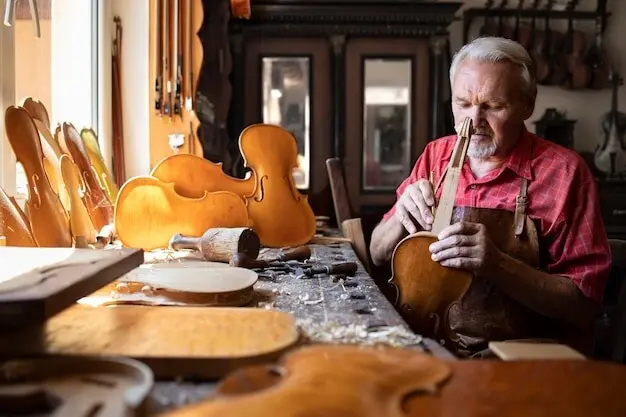
Spruce offers tonal clarity and lightness, larch resists weather with resinous confidence, and Swiss pine brings warmth and scent that calms busy rooms. Beech provides strength for tools and furniture where precision matters. Seek mixed, uneven-aged stands that build biodiversity and withstand storms. Walk the terrain with a forester; read slope, shade, and understory for clues about root depth and growth stress. Favor storm-felled or overdue thinning lots to reduce impact, then plan cuts around seasonal sap flow, minimizing degrade while celebrating the forest’s natural regrowth cycles.

From Log to Blank: Low-Impact Milling

Partner with small sawmills that understand craft tolerances, orienting the pith and cathedral grain thoughtfully for stability. Quarter-saw where needed to tame movement, or live-saw for expressive boards when design invites bold figure. Air-dry patiently under covered stacks with proper stickers, end-sealing to prevent checks, then finish in solar or low-energy kilns to dial moisture content appropriately. Record schedules and weights to learn how each species breathes. Careful milling transforms fewer logs into more usable material, saving cost and carbon while giving makers boards that plane, chisel, and sing under hand tools.

Tracing Origin: Proofs and Paperwork

Request transparent documentation: cooperative forest invoices, stand maps, harvest dates, and chain-of-custody numbers through systems like FSC or PEFC. Photograph logs with visible marks at landing sites and save batch identifiers from mill stickers. Ask for notes on slope, altitude, and ring count per centimeter to understand stiffness and movement. Keep a sourcing journal linking each finished object to its origin, reinforcing accountability and storytelling. When clients scan a simple QR code and meet the landscape behind their table, instrument, or spoon, trust deepens and better choices become habit rather than novelty.

Fibers Along the Adriatic: Salt, Sun, and Skilled Hands
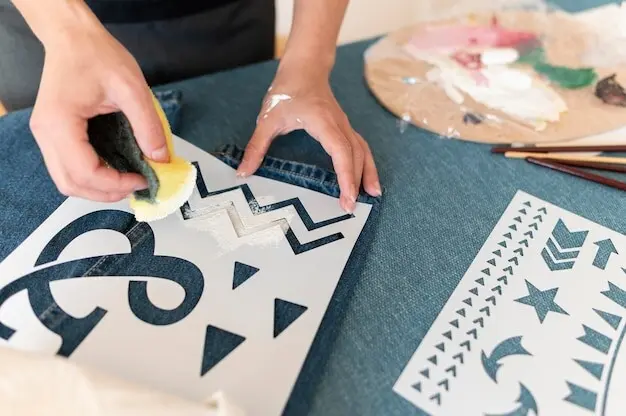
Coastal fields and islands nurture hardy plants whose fibers carry wind, salt, and resilience. Flax and hemp flourish in bright summers, while ginestra and nettle reward patient processing with surprising softness. Fisherfolk communities inspire circular practice through repair cultures and inventive reuse of maritime gear. When working with beached seagrass, collect only naturally cast material and respect protections for living meadows. Local cooperatives, school workshops, and home studios sustain intergenerational knowledge, teaching spinning, retting, and dyeing methods that conserve water and celebrate place. These fibers hold stories, strengthening textiles that last and mend beautifully.

Designing for Circularity in the Studio

Material intelligence begins at the sketch table. Design parts for graceful disassembly, celebrate mono-material assemblies where possible, and specify adhesives carefully when mixed materials are unavoidable. Prefer joinery that tightens with use and invites repair throughout decades of service. Finish with breathable oils, soaps, and waxes that patinate rather than peel. For textiles, plan yardage to harvest selvage and offcuts, weaving them back as decorative bindings or practical cords. Maintain a materials ledger documenting inputs, energy, and waste diversion. Circularity emerges not from slogans but from cumulative, humble decisions made every day in the studio.

Joinery That Invites Disassembly

Use drawbored mortise-and-tenon joints with tapered pins for strength without metal, or incorporate reversible knock-down hardware sparingly where mobility matters. Wedged through-tenons and butterfly keys celebrate structure as ornament. Label parts discreetly for future caretakers, leaving diagrams and torque specs inside a hidden envelope. Test replacement workflows before delivery, timing how long legs, rails, or panels take to swap. When pieces welcome maintenance with kindness, owners participate, and repair becomes a pleasure rather than an emergency, extending service life while preserving the embodied care of forestry, milling, and patient benchwork.

Finishes That Breathe and Age with Grace

Favor polymerized linseed oil, soap, or beeswax blends for wood, allowing touch to refresh surfaces gently without stripping. For textiles, lean on natural dyes like madder, weld, walnut, or indigo, paired with safe mordants and thorough washout. Evaluate indoor air quality by measuring VOCs during curing, and document maintenance schedules that align with household habits. The goal is not pristine shine but living surfaces that record celebrations, repairs, and quiet mornings. When owners can renew luster with a cloth and hour of care, objects stay loved, cherished, and proudly repaired rather than replaced.

Material Stories: From Sled Trails and Harbor Quays

A Family Larch Table Rescuing a Storm-Felled Tree

After a fierce thaw sent rocks tumbling, a stable larch fell across a path, spared many saplings by its final angle. The village decided to mill it locally. Boards, amber with tight rings, dried slowly beneath a barn eave. A table emerged with breadboard ends and wooden pegs, each mark explained in pencil on the underside. At the first shared meal, neighbors recognized hillside light in the grain and left carrying stories as tangible as crumbs, promising to plant saplings when the spring thaw closed the soil gently.

A Linen Sailor’s Bag Reborn as a Coastal Market Tote

Retired canvas from a seaside awning, heavy flax with sun-faded stripes, arrived stained with salt and memory. After careful washing and stitching, reinforced with reclaimed rope handles, it returned to market duty, cradling tomatoes, sea beans, and sourdough. The maker embroidered coordinates of its original storefront inside a pocket, so each errand became pilgrimage. Strangers asked questions and learned that durability can be celebrated rather than hidden. The tote became a traveling invitation to mend, to value patina, and to see utility as a kind of quiet romance.

Lessons the Materials Whispered

The wood taught patience through seasonal checks that vanished when humidity rose. The fibers taught rhythm, drafting best when conversation slowed. Together they insisted on presence, turning tools into metronomes. The more attention given, the less waste created, and the more unusual details volunteered themselves. These materials seemed to argue that beauty is not applied at the end but grown from respectful choices near the beginning—forest walk, seed selection, careful drying, honest finishing—decisions so small they resemble kindness more than technique, yet they shape everything that follows.

Practical Sourcing Guides and Checks

Clarity protects both landscapes and livelihoods. Build a sourcing plan that starts with people: municipal foresters, cooperative mills, small farms, and coastal workshops. Verify legal frameworks and ecological safeguards, then structure purchases around seasonal availability rather than rushed convenience. Maintain tools like moisture meters, simple tensile rigs, and dye journals to measure rather than guess. Consolidate transport, prefer rail where possible, and document embodied energy each step. A good checklist turns value statements into repeatable practice, ensuring consistency, transparency, and learning that compounds project after project, until responsibility feels natural, confident, and quietly joyful.

Questions to Ask a Forester or Sawyer

Request ring counts per centimeter and altitude of growth to gauge stiffness and stability. Ask about stand composition, harvest method, and soil protection during extraction. Confirm drying schedules, final moisture targets, and equalization periods. Inquire about edge sealing, stacking conditions, and any case-hardening concerns. Document transport distances and vehicle types. Photograph board faces for grain orientation before purchase. These questions show respect for the entire chain, surface hidden risks early, and often open doors to remarkable lots otherwise reserved for those who demonstrate patient curiosity and commitment to the forest’s long future.

Checklist for Fiber Provenance and Ethics

Verify species and cultivar, retting approach, water use, and disposal practices. Confirm worker safety, fair payment, and cooperative membership where relevant. When incorporating reclaimed maritime materials, perform careful sorting by polymer type and witness cleaning methods to reduce microplastic release. For plant fibers, test small dye samples, record lightfastness, and ensure mordants meet health standards. Map the route from field to spindle to loom, then publish a short provenance note for clients. Ethical clarity protects coastlines and communities while making textiles that feel trustworthy in both hand and conscience.

Calculating Impact and Planning Logistics

Estimate embodied carbon by tallying transport legs, milling energy, kiln hours, and dye processes. Batch orders to fill pallets and avoid partial loads. Choose rail corridors where available, and time coastal pickups with ferry schedules to reduce trips. Keep contingency suppliers pre-vetted for bad weather or harvest delays. Store materials with labeled humidity targets and rotation dates to prevent spoilage. An organized logistics plan liberates creativity later, converting uncertainty into spaciousness at the bench, where attention can return to proportion, texture, and the human rituals these crafted objects will quietly accompany.

Join the Craft Commons

This space thrives when readers speak up. Share your sourcing wins, near-misses, and questions, whether you are deep in Alpine sawdust or rinsing Adriatic fibers on a balcony line. We host open Q&A threads, seasonal material diaries, and collaborative experiments comparing drying schedules, twist per meter, and finish durability. Propose workshop swaps between mountain and coast communities, or invite mentors to troubleshoot a joint or warp. Subscribe for field notes, tool hacks, and quiet essays. Your comments and photos help map a living practice where accountability, joy, and skill travel together.

Share Your Process and Receive Feedback

Post a short log of your recent steps: where you sourced, how you dried, which joints or weave structures behaved, and what surprised you. Include two or three photos of details you would like critiqued. We encourage constructive, specific replies grounded in field experience, not armchair opinion. By cataloging process openly, you create references for future makers and invite generosity back when you most need it. The circle of advice turns isolated benches into a workshop without walls, humming softly across languages, seasons, and tools.

Participate in Field Challenges and Open Labs

Each month we propose a simple, revealing constraint: build something meaningful from a single board; weave a coastal braid exclusively from reclaimed cordage; compare two retting methods with careful notes. Upload results, including weights, yields, and time invested. We publish aggregated findings, highlighting clever failures as much as elegant successes. These shared experiments reduce superstition, advance collective knowledge, and generate designs that travel gracefully between alpine valleys and harbor towns. Join alone or as a team; the only competition is against waste, haste, and the temptation to stop learning too soon.

Subscribe to Stay Close to the Work

Receive concise dispatches from forests and shorelines: drying experiments, cooperative profiles, pattern walkthroughs, and repair stories that grow skill and confidence. Early access notices help you reserve lots from small mills and fiber farms before they sell out. Occasional invitations gather readers for walk-throughs, barn talks, and dockside demonstrations, where handshakes and questions move knowledge faster than any post. Unsubscribe anytime, but we hope the steady rhythm proves companionable—like a well-tuned plane or a dependable spindle—quietly supporting attention where it belongs, on care poured into useful, beautiful things.

Vexopalopexizavo
Privacy Overview

This website uses cookies so that we can provide you with the best user experience possible. Cookie information is stored in your browser and performs functions such as recognising you when you return to our website and helping our team to understand which sections of the website you find most interesting and useful.