Hands That Remember: From Alpine Valleys to Salt-Scented Shores
Today we journey into reviving endangered handcraft traditions between the Julian Alps and the Adriatic Coast, honoring makers whose quiet skills bind mountain stone, forest wood, wool, salt, and sea into objects of lasting worth. Expect living memories, practical techniques, and hopeful collaborations that reconnect villages, workshops, and small harbors. Join us by reading closely, asking questions, sharing your stories, and helping these crafts find committed apprentices, fair markets, and loving homes.

Footpaths, Ports, and Market Squares

Stone paths over high passes met tidal calendars in small ports where bartering set the season’s tone. A shepherd traded felted slippers for boat nails, while a smith swapped hinges for cured anchovies. Market bells echoed across languages, carrying instructions for how to twist, temper, and seal. These encounters standardized measures yet encouraged clever detours, so the same bucket hoop or lace edging adapted to climate, material availability, and a neighbor’s practical critique shouted across the stall.

Migrations of Motifs and Methods

Patterns walked faster than borders. A scalloped lace edge mirrored wave crests seen from a quay, while a dovetail joint first tested in a snowbound shed later secured a keel plank against stormy chop. Spindle turns echoed fishing-line coils; iron rosettes followed alpine flower silhouettes. With each journey, makers swapped finishing tricks, dyes, and tempering times, proving that tradition thrives on borrowing thoughtfully, translating faithfully, and correcting kindly whenever a copied detail misunderstood the local climate’s stubborn demands.

Materials of Place

Here, resources speak with distinct voices. Karst limestone demands decisive chisels; alpine larch shrugs off storms; beech turns obediently on a lathe; maritime pine curves into hulls; flax and hemp soften through river retting; mountain wool fulls into wind-stopping fabric; sea salt crystallizes patience. Revitalization begins by choosing what the land and water already offer, honoring seasonal rhythms, and respecting limits. Sustainable gathering, careful curing, and mindful storage become the quiet scaffolding supporting beauty, durability, and ethical livelihood.

Wool From High Pastures to Deft Fingers

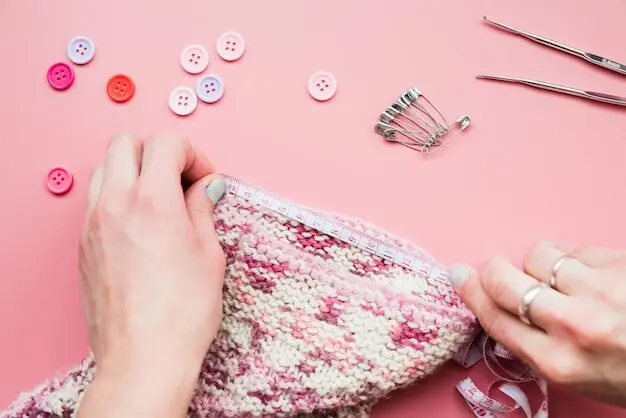
Summer pastures yield fleeces dense with stories of rain, sun, and alpine herbs. Sorting removes burrs, washing saves lanolin, and carding opens clouds for spinning. Spindles whisper along hearth benches while fulling mills thud beside cold streams. Natural dyes from walnut hulls, onion skins, and madder coax earthy tones into blankets, socks, and lace-trimmed bodices. Reviving this cycle means fair pay to shepherds, shared shearing days, and youth who proudly learn to mend, not discard.

Stone and Clay in the Wind’s Instruction

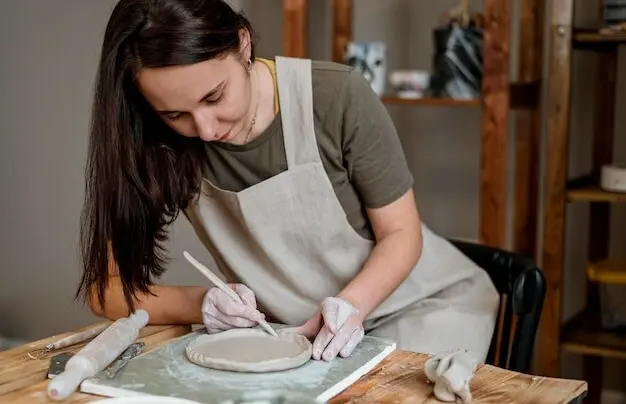
Bora and burja carve edges into memory, teaching stonecutters where to split, not force. Quarry marks guide chisels that free lintels, troughs, and stair treads with minimal waste. Nearby clay, kneaded to patience, becomes cookware and roof tiles burnished by straw smoke. Lime kilns breathe day and night, producing mortar that flexes with seasonal shifts. To sustain these practices, communities map safe extraction zones, restore kilns, and test glazes that respect food safety while preserving recognizable, time-polished textures.
Lace Pillows and Dwindling Circles

Bobbin clatter once filled kitchens where patterns pinned to pillows blossomed into collars, cuffs, and altar cloths. Today, elderly makers teach three curious teenagers after choir practice, laughing at tangled threads and celebrating a first clean corner. To continue, communities provide eyesight-friendly lamps, ergonomic chairs, and stipends that honor time spent teaching. Designers collaborate respectfully, adapting motifs to lampshades, jewelry, and archival prints, proving that delicate geometry can still pay a bill without sacrificing the patient integrity of process.

Forging Without a Successor

A smith’s hammer knows when iron sings, not screams. Without an apprentice, that song fades. Old bellows leak, and tongs rust into stillness. Yet momentum returns when neighbors organize iron-mending days, farmers bring bent tools, and retired makers pass down tempering cues invisible to manuals. Recording heat colors, quench ratios, and jig dimensions preserves more than romance; it saves livelihoods. Cooperative orders for hinges, hooks, and scythe rings stabilize cashflow, while visiting students sweep, watch closely, and slowly earn trust.

Boat Ribs and Tar Whispers

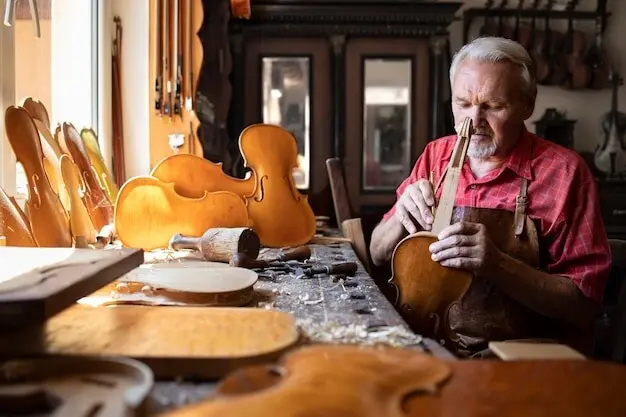
Along the coast, elders trace a sheerline by eye, then steam timbers to curves learned from storms, not textbooks. Tar perfumes evenings, and caulking hammers tap rhythms older than breakwater lights. With each launch, a community reclaims both transportation and dignity. Revival efforts pair veteran shipwrights with engineers who 3D-scan hulls, document scantlings, and model loads, ensuring safety without flattening character. Small regattas become classrooms, where children ride the bow and memorize the feel of a living keel.
Revival in Action

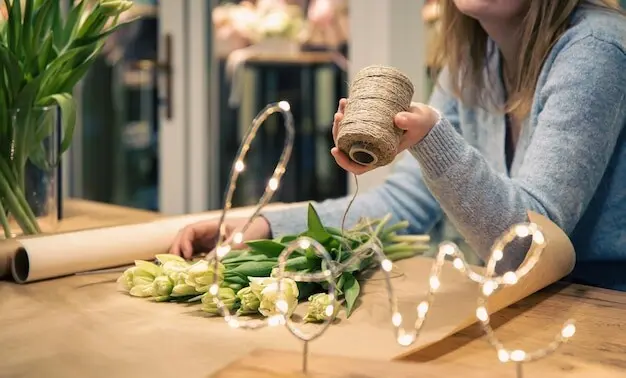
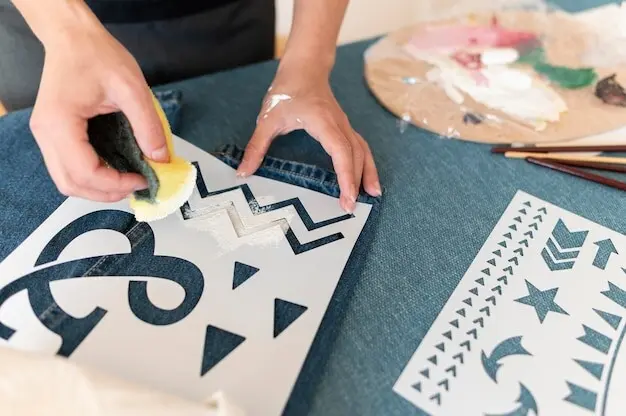
Hope grows when good plans meet calloused hands. Micro-grants refurbish benches; ecomuseums host residencies; cross-border visas welcome mixed-language teams; and local bakeries feed long days. We celebrate what works: open studios, shared marketplaces, practical mentorship, and calendars tuned to seasons. Success multiplies through transparency—publishing tool lists, insurance tips, and shipping hacks. When pride replaces pity, makers set prices confidently, students arrive prepared, and neighbors measure progress not by slogans but by finished objects that last and teach.

Economy With a Heart

For revival to endure, bills must be paid fairly without exhausting people or landscapes. Cooperative storefronts near ports and alpine crossroads reduce rent, pooled shipping trims waste, and shared branding explains provenance clearly. Slow-tour itineraries lead visitors to working ateliers, not themed facades. Transparent price breakdowns honor time, materials, and years of learning. Repair services generate steady income between seasonal orders, while limited editions avoid burnout. This humane economy measures success in continuity, not hype cycles or frantic growth.

Learning, Teaching, Belonging

Revival thrives when identity welcomes new voices. Workshops post inclusive codes, rotate leadership, and value different abilities: steady hands, sharp eyes, clear writing, and patient explaining. Multilingual labels invite neighbors across borders to feel at home. Schools host craft weeks; libraries lend tools; radio programs interview elders. Mistakes are reframed as lessons, not shame. Belonging emerges when a shared broom, a shared joke, and a shared deadline turn strangers into colleagues committed to dignity, safety, and generous craftsmanship.

Grandmother’s Knot, Grandson’s Camera

One afternoon, a teenager filmed his grandmother tying a net knot that had baffled him for months. Pausing the footage revealed a tiny wrist rotation hidden by speed. They uploaded annotated clips with permissions, credit, and context. Classmates practiced, returning with blisters and breakthroughs. The elder smiled, saying the camera finally listened as closely as an apprentice should. Their collaboration modeled mutual respect: analog wisdom, digital patience, and community guidelines that keep attention on the knot, not on personalities.

Work Songs and Working Rhythm

Old songs once synchronized rakes, hammers, and oars, pacing bodies to tasks that prefer steadiness over speed. Recording these rhythms helps teach tool timing: when to lift, when to rest, when to check a joint. Choirs and bands reinterpret melodies for festivals, inviting young voices to carry the cadence into new spaces without hollowing meaning. Shared playlists in workshops reduce fatigue, spark laughter, and turn solitary labor into communal flow that strengthens both outcomes and friendships across generations and towns.

Spaces That Welcome

A good workshop smells of wood shavings, hot iron, clean wool, and sea brine—and posts safety rules at eye level. Tables adjust for height, lighting eases strain, and quiet corners respect concentration. Scholarships reserve places for newcomers who cannot yet afford tools. Tea kettles and first-aid kits sit within reach, signaling care. Community calendars announce open hours, while buddy systems pair learners with patient mentors. These signals of hospitality convert curiosity into commitment, sustaining practice through seasons and setbacks.

How You Can Help Today

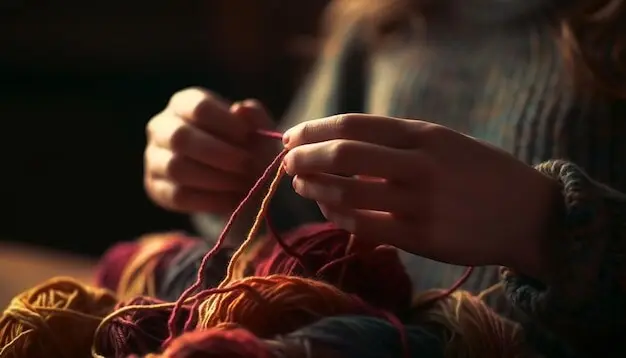
Your attention and actions matter. Subscribe to updates, comment with respectful questions, and share this work with friends who value patience over gloss. Visit when you can, or join online workshops when distances loom. Commission useful objects and accept timelines that protect health and quality. Offer skills—accounting, translation, photography, grant writing—that lighten makers’ loads. Together we can rebuild a corridor of knowledge from the Julian Alps to the Adriatic, where hands remember, teach, and continue making durable, meaningful goods.
Vexopalopexizavo
Privacy Overview

This website uses cookies so that we can provide you with the best user experience possible. Cookie information is stored in your browser and performs functions such as recognising you when you return to our website and helping our team to understand which sections of the website you find most interesting and useful.