Bridging Studios and Heritage Across the Alpine–Adriatic

Join a journey where designers and artisans meet as equals, exploring co-design between contemporary studios and traditional makers in the Alpine–Adriatic. We connect mountain valleys, river towns, and coastal workshops, aligning time tested techniques with forward looking experimentation, so objects carry both the warmth of hand memory and the clarity of present purpose. Expect candid stories, practical methods, and gentle provocations about how collaboration can protect livelihoods, regenerate local resources, and spark fresh aesthetics rooted in place rather than passing fashion.

Wood, Wool, and Water

From Alpine larch beams to beech slats shaped in Friulian chair districts, timber tells stories of slope, snowfall, and patient seasoning. Shepherds card wool that remembers river fogs drifting from the Soča and Sava, while studios test weaves that breathe and age gracefully. When water defines both power and pace, dyeing, felting, and steam bending adopt rhythms that respect hydrology, ensuring each joint, knit, and curve sits honestly within a cycle larger than any single project brief.

Stone, Clay, and Salt

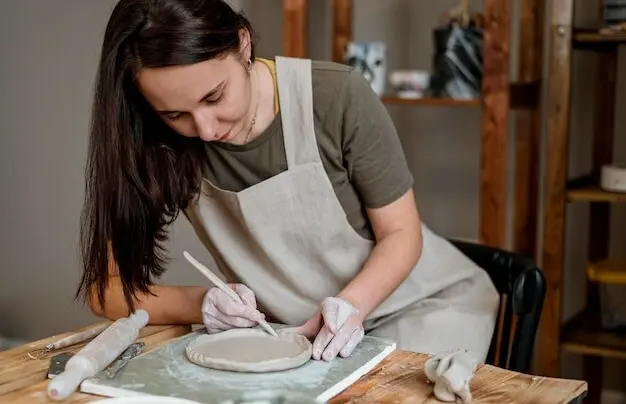
Karst limestone, with fossils embedded like time’s thumbprints, offers surfaces that refract Adriatic light into cool, quiet tones. Potters knead red and ochre clays sourced near coastal hills, finding a dialogue between mineral shrinkage and human grip. Salt from traditional pans becomes both pigment and ritual, crystallizing slow labor into delicate granules that remind us to savor processes. Co-design invites these materials to lead form and function, shaping basins, tiles, and vessels that honor geology while embracing contemporary needs.

Metals and Memory

Iron from historic valleys and brass from small foundries carry acoustic personalities known by bell makers and instrument smiths. When studios collaborate, they map patina as a timeline rather than a flaw, matching finishes to microclimates from Carinthian forests to coastal breezes. Rivets, hinges, and hand forged hooks become punctuation marks in daily life, proof that longevity arises from respectful alignment between alloy behavior, environmental exposure, and the gestures of users who open, lift, hang, and pass objects across generations.

Landscapes, Materials, and Shared Ground

Understanding place begins with the materials underfoot and the winds that season them. Larch and beech dry slowly in high valleys, limestone bears the breath of the Karst, and wool gathers weather along transhumance paths. Co-design grows resilient when it listens to watersheds, harvest calendars, and dialects of making. Here, regional context becomes a living library, where every knot, vein, and fiber guides decisions about scale, tactility, durability, and emotional resonance across communities that straddle mountains and sea.

Principles of Respectful Collaboration

Successful partnerships begin with humility, continue with clarity, and conclude with shared pride. In cross border contexts, language nuances and workshop realities shape pace and expectations. Co-design thrives when studios arrive curious, document thoughtfully, and compensate fairly, while makers invite experimentation within boundaries set by safety, seasonality, and craft integrity. Agreements around authorship, repair obligations, and production capacity prevent burnout and preserve dignity, transforming projects into relationships where growth is measured in trust as much as in sales or press features.

Tools, Prototypes, and Digital Bridges
From Hand Sketch to Parametric Logic

A napkin drawing captures mood, but translated contours quantify intent. By measuring the sweep of a historical armrest or the taper of a chisel cut tenon, teams build adaptable rules that protect structural integrity across sizes. When thickness, moisture, and load become variables, chairs welcome diverse bodies and climates without compromising character. Artisans challenge models with finger knowledge, pointing where a spline must pause because a blade catches grain. The resulting dialogue turns software into a respectful, listening companion.

Rapid Iterations Without Rushing Craft

Prototyping sprints can coexist with the slower clocks of curing oil, setting lime, or maturing wool. Studios stage fast trials using secondary materials to test ergonomics and assembly order, then yield to craft timelines for final pieces. Clear checkpoints reduce fatigue, while sample tags preserve learnings from so called failures. This rhythm replaces crisis with curiosity, empowering both sides to pivot without panic. The outcome is momentum grounded in care, where every iteration accumulates wisdom rather than landfill.

Documentation That Teaches, Not Controls

Photo essays, annotated diagrams, and short workshop clips serve future makers, not legal insurance alone. Visuals record tool angles, seasonal adjustments, and safety quirks that rarely fit technical sheets. Multilingual captions protect nuance, while version histories keep changes transparent. Ownership of files remains shared, with backups stored locally and in secure clouds. When documentation respects people and context, it reduces onboarding time, prevents accidents, and enables dignified scale, ensuring the soul of the work travels intact alongside its specifications.

Stories From Valleys and Coasts

Narratives turn principles into lived experience. Across the Alpine–Adriatic, we have witnessed illuminations shaped by lace patterns, seating that reimagines village wisdom for contemporary commons, and stone offcuts reborn as circular wash basins. These collaborations succeed not because they mimic nostalgia, but because they ask careful questions, test respectful risks, and validate choices with community feedback. Each story invites readers to sense material truths with their own hands and to imagine how everyday objects might carry deeper belonging.

Idrija Lace Inspires Soft Illumination

Working with a lace maker whose grandmother counted knots by candlelight, a studio developed shades casting delicate shadows like alpine branches on winter snow. Instead of plastic frames, thin ash ribs hold a reversible textile sleeve, allowing repair and washing. Patterns remain the artisan’s intellectual property, licensed for specific sizes and colors with annual royalties. Customers receive mending instructions and spare thread. Sales support weekend classes that keep bobbins clicking in town squares, turning light into a vessel for intergenerational care.

Friulian Chair Wisdom Reinvented for Shared Spaces

Partnering with a family workshop near the historic chair districts, designers mapped postures from libraries and community halls. The result merges traditional wedged tenons with stackable geometry, protecting both stability and storage efficiency. Finishes use local oils tinted with earth pigments, avoiding high solvent varnishes. Each chair bears a discreet mark identifying the maker, year, and batch woodlot. When screws are required, they remain visible for honest maintenance. The collection travels easily between civic rooms, carrying village expertise into daily gatherings.

Local Sourcing as Creative Constraint

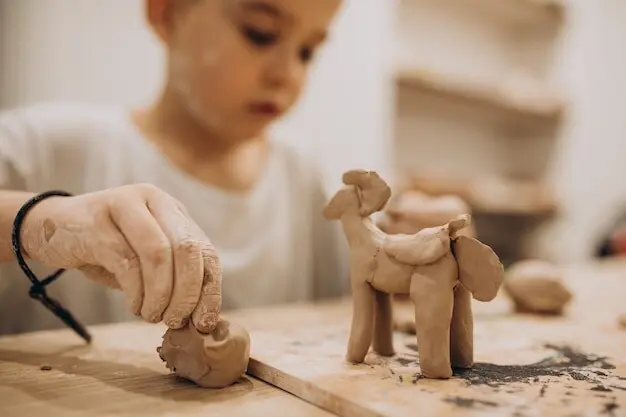
Setting a sourcing radius focuses imagination. When pigment options narrow to soil tones and bark extracts, new palettes emerge that honor terrain rather than trend. Timber selected from community forests balances biodiversity and craft requirements, while wool weights reflect hillside realities. Designs gain specificity, speaking the quiet language of place. Clients learn to appreciate variation as a sign of health, not defect. This constraint dissolves sameness, helping objects age gracefully beside seasons, repairs, and stories that travel no faster than walking speed.

Repairable Details and Modular Futures

Hidden fasteners and permanent adhesives often sabotage longevity. Co-design shifts toward visible joinery, replaceable seat pads, and standardized parts that future caretakers can source or fabricate easily. Instructions live in accessible repositories, with exploded diagrams guiding careful disassembly. Warranties reward maintenance rather than disposal, and spare components accompany initial deliveries. This approach welcomes evolving interiors, allowing users to reconfigure without waste. When repair is dignified and aesthetically integrated, products gather patina and pride, becoming companions rather than consumables in daily life.

Packaging, Freight, and Cross-Border Logistics

Boxes are quiet storytellers of care. Reusable crates marked with return routes, fiber tapes that biodegrade, and minimal fillers cut both emissions and mess. Consolidated rail shipments replace fragmented van trips, coordinated through regional hubs that respect small workshop timetables. Documentation includes multilingual customs notes and repair resources to prevent panic at arrival. Freight becomes a choreography of responsibility where every kilometer counts, ensuring that beautifully made objects do not carry hidden costs in diesel fumes, broken schedules, or stressed hands at loading docks.

Legal, Ethical, and Cultural Agreements

Trust needs paperwork that feels humane. Clear contracts state ownership, licensing, and adaptation boundaries while honoring oral knowledge and family archives. Royalty rates reflect time, mentorship, and workshop overheads, not just final assembly minutes. Consent protocols govern photography and storytelling, preventing romanticized misrepresentation. Cross border realities add taxes, translations, and differing consumer rules, so documents remain plain language and bilingual. With respectful governance, creativity blossoms without fear, enabling both sides to plan futures, hire apprentices, and invest confidently in better tools.

Apprenticeships That Attract Modern Learners

Young people seek meaning, mobility, and fair pay. Programs that combine micro credentials, travel stipends, and real authorship on outcomes will retain talent. Partnerships with design schools can credit time spent in workshops as core learning, not extracurricular novelty. Digital portfolios record both failures and breakthroughs, translating tacit knowledge into shareable stories. Graduates leave able to price work, negotiate respectfully, and teach others. When pathways are visible and dignified, the next generation sees craft not as nostalgia, but as a future.

Residencies That Bring Studios to Villages

Seasonal residencies scheduled around harvests and festivals embed visitors within community rhythms. Hosts set boundaries on documentation and quiet hours, while residents contribute talks, prototypes, or shared meals. Tool libraries and pop up labs bridge gaps between advanced equipment and traditional benches, without displacing local practice. Outcomes might be humble, a joint improved, a jig refined, a color discovered. What endures are relationships and repeat visits. Over time, villages become laboratories of mutual learning rather than backdrops for one off inspiration quests.

Inviting Readers Into the Process

We welcome your questions, workshop memories, and repair triumphs. Comment with stories from your valley, subscribe for field notes and open studio invitations, or propose a collaboration that strengthens livelihoods where you live. If you are a maker, tell us what support you need. If you are a studio, share how you handle credit, royalties, and risk. Together we can publish practical templates, host conversations, and celebrate small wins that, stitched across borders, become a durable fabric of shared prosperity.
Vexopalopexizavo
Privacy Overview

This website uses cookies so that we can provide you with the best user experience possible. Cookie information is stored in your browser and performs functions such as recognising you when you return to our website and helping our team to understand which sections of the website you find most interesting and useful.